Best Festival Ticketing Options: The 2026 Definitive Editorial Guide
The live event economy in 2026 has reached a point of technological saturation where the primary challenge for organizers is no longer “finding a way to sell tickets,” but rather “selecting an ecosystem that protects margins and fan data.” The transition from static barcodes to identity-linked access objects has fundamentally altered the risk-reward ratio of ticketing. For the modern festival producer, the best festival ticketing options are no longer judged solely on their per-ticket fee, but on their ability to mitigate the predatory secondary market while providing granular, actionable insights into attendee behavior.
This shift is a reaction to the “Post-Scarcity Inflation” of the mid-2020s, where consumer appetite for festivals remains high, but price sensitivity has intensified. An inefficient ticketing partner—one that allows unchecked scalping or imposes opaque service fees—directly erodes the perceived value of the festival brand. Today, a “premier” option must function as a comprehensive financial and security layer, integrating seamlessly with RFID access control, cashless payment systems, and real-time crowd analytics.
Navigating this landscape requires an analytical approach that treats ticketing as a core piece of infrastructure rather than a third-party utility. Whether managing a boutique 5,000-cap electronic gathering or a 100,000-cap multi-genre behemoth, the choice of platform dictates the “velocity of revenue”—how quickly capital can be accessed for artist deposits and site builds—and the “integrity of the gate.”
This definitive reference deconstructs the systemic architecture of festival ticketing. By examining the historical move toward blockchain-backed assets, the conceptual frameworks of high-volume on-sales, and the rigorous operational standards required to manage modern festival logistics, we provide a strategic roadmap for selecting the optimal ticketing partner in 2026.
Understanding “best festival ticketing options”
To accurately define the best festival ticketing options, one must look past the user interface and examine the “Data Sovereignty” of the platform. A multi-perspective view reveals that ticketing is the first touchpoint of the fan experience; therefore, any friction at the point of purchase or entry is a direct failure of the system. A common misunderstanding among nascent promoters is that the “cheapest” platform is the best. However, a low-fee platform that lacks robust queue management or anti-bot protection can lead to a “reputational deficit” that costs far more in lost future sales than the initial fee savings.
Oversimplification in this sector often centers on the “Primary vs. Secondary” market debate. In 2026, the best options have collapsed this distinction, offering integrated, fan-to-fan resale platforms that cap prices at face value. This “Closed-Loop” ecosystem ensures that the festival retains control over its pricing and prevents the “Market Cannibalization” that occurs when thousands of tickets are held by professional scalpers.
From a technical perspective, a premier ticketing option must provide “Identity-Based Access.” This means the ticket is not just a QR code but a dynamic digital asset linked to a verified profile. This allows for “Programmable Entitlements”—the ability to bundle a ticket with pre-ordered merch, beverage credits, or backstage access—all manageable through a single RFID wristband or NFC-enabled smartphone.
Contextual Evolution: From Paper Stubs to Identity-Linked Assets
The history of festival ticketing is a progression of increasing “Control and Connectivity.” The 1990s and early 2000s were the era of “Physical Scarcity,” where paper tickets were the only medium, and “The Gate” was a purely manual operation. This was followed by the “Barcode Revolution,” which digitized the transaction but did little to solve the problem of ticket duplication or secondary market exploitation.
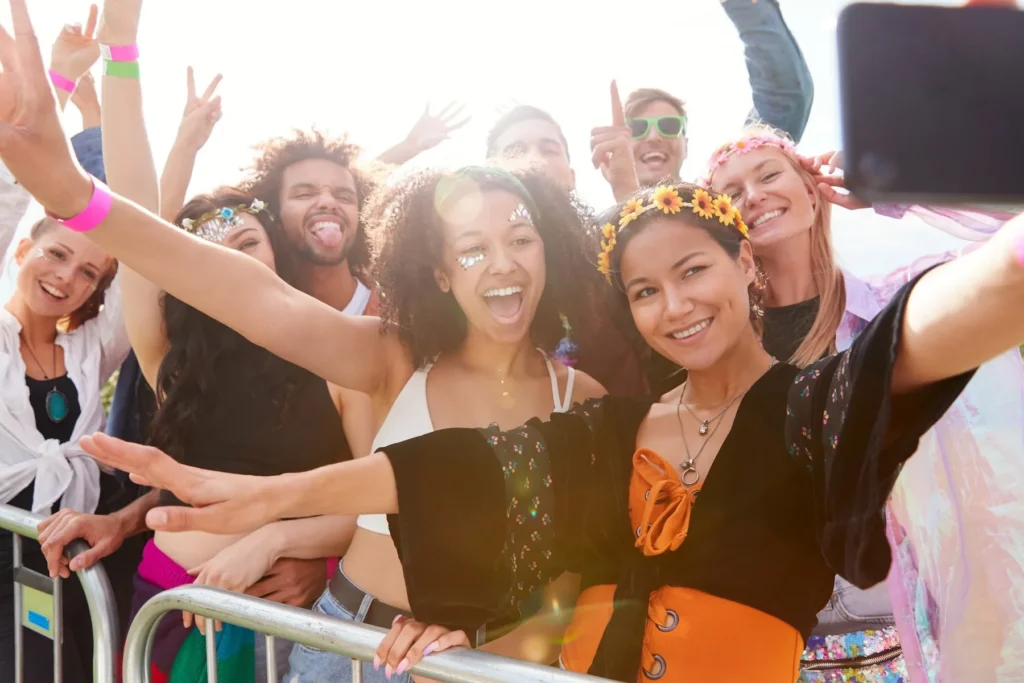
The current era, characterized as the “Identity Era,” is powered by two main forces: the rise of “Programmable Access” (NFT/Blockchain) and the ubiquity of “Biometric Verification.” By 2026, the industry has largely moved away from static codes. Modern platforms use “Rolling QR Codes” that refresh every few seconds to prevent screenshots from being sold. More importantly, the ticket has become a “Live Asset.” Organizers can now track a ticket’s journey from the initial sale to the final scan, allowing them to identify “super-fans” and reward loyalty with targeted, post-event engagements.
Conceptual Frameworks for Evaluating Ticketing Integrity
1. The “Transaction-to-Entry” Friction Index
This framework measures the time and complexity of the user journey. A “Tier 1” option minimizes the steps from clicking “Buy” to receiving the digital asset. It also measures “Gate Velocity”—how many attendees can be scanned per minute without a system hang. In 2026, a top-tier system should support at least 60 scans per minute per lane.
2. The “Data Ownership” Sovereignty Model
Does the platform allow you to “own” your customer data, or do they aggregate it into their own marketplace?
-
Merchant-of-Record (MoR) Model: The platform handles the taxes and compliance but often keeps a layer between you and the fan.
-
White-Label Model: You control the branding and the data, but you assume more responsibility for financial reconciliation.
3. The “Closed-Loop” Resale Efficacy
This measures the platform’s ability to kill the “Gray Market.” The best options provide a “Verified Resale” button directly within the fan’s digital wallet, automating the transfer and payment process while ensuring the festival captures a small royalty on the transfer (if legal) and keeps the price stable.
Key Categories of Platforms and Operational Trade-offs
The 2026 market offers distinct “ecosystems” based on the scale and complexity of the event.
| Category | Representative Tools | Primary Strength | Trade-off |
| Enterprise Managed | Ticketmaster, AXS, See Tickets | Massive scale; verified resale. | High consumer fees; “Big Box” feel. |
| Festival Specialists | Front Gate, Tixr, Ticket Fairy | RFID integration; referral tools. | Specialized; may lack general market discovery. |
| Independent/DIY | Eventbrite, FreshTix, Weezevent | Low barrier to entry; self-service. | Limited support for 50k+ on-sales. |
| Web3/Blockchain | GUTS, YellowHeart, NFT-TiX | Anti-scalping; total transparency. | User friction (wallets/onboarding). |
| Management Suites | FestivalPro, Eventtia | Integrated lineup/staffing tools. | Ticketing is often a secondary feature. |
Detailed Real-World Scenarios
Scenario A: The “High-Demand” On-Sale Surge
A 40,000-capacity festival announces a legendary reunion act.
-
The Logic: Seeking a platform with “Virtual Queue” capability and “Bot-Detection” to prevent a system crash in the first 10 minutes.
-
The Decision Point: Choosing between an Enterprise platform (high fees but stable) or a Specialist (lower fees, more fan-centric).
-
The Outcome: By selecting a Specialist with “Proprietary Queue” tech, the festival manages 100,000 simultaneous users without a site failure, and utilizes “Referral-Based Marketing” to sell out the remaining VIP tiers within an hour.
Scenario B: The “Community-First” Boutique Gathering
A 5,000-capacity forest festival focused on sustainability and “Slow Culture.”
-
The Logic: Avoiding “High-Friction” corporate platforms. They opt for an Independent DIY tool that allows for “Pay-What-You-Want” tiers and integrated “Carbon Offset” donations at checkout.
-
The Failure Mode: Ignoring “Offline Scanning.” The remote location has poor cellular signal.
-
The Strategic Adaptation: They utilize a platform with “Sync-on-Reconnect” technology, allowing gate staff to scan tickets offline and sync data once a satellite link is established.
Planning, Cost, and Resource Dynamics
Estimated Fee Structures (2026 – Per Ticket)
| Fee Type | Enterprise | Specialist | DIY / Self-Service |
| Base Service Fee | 10% – 20% | 5% – 8% | 2.5% – 4% |
| Flat Per-Ticket Fee | $5.00 – $15.00 | $1.50 – $3.00 | $0.50 – $1.50 |
| Payment Processing | Included | 2.9% + $0.30 | 3.0% + $0.30 |
| Refund/Chargeback Fee | High ($25+) | Moderate ($15) | Low ($10) |
The “Cost of Withdrawal”
Many organizers forget to calculate the “Liquidity Delay.” Some platforms hold 100% of the funds until the festival is over to protect against cancellations. For a “Budget” festival, this is a fatal flaw. The best festival ticketing options in 2026 offer “Daily Payouts” or “Tiered Withdrawals” based on historical reliability, allowing the promoter to pay for infrastructure as it is built.
Tools, Strategies, and Support Systems
-
AI-Driven Fraud Detection: Using machine learning to flag “Syndicate Purchasing” patterns (e.g., 50 tickets bought from the same IP with different cards).
-
Tiered “Loyalty” Pre-sales: Utilizing “Token-Gated” access for past attendees to ensure the core community gets first access at the lowest price.
-
RFID Cashless Integration: Ensuring the ticket “lives” on the wristband, allowing fans to load funds and pay for drinks with a tap.
-
Real-Time Analytics Dashboards: Monitoring “Abandoned Carts” in real-time to trigger automated “Reminder” emails or SMS.
-
On-Site Box Office Support: Utilizing mobile POS (Point of Sale) systems that can handle walk-up sales and wristband replacements instantly.
-
“Buy Now, Pay Later” (BNPL): Integrating Klarna or Affirm at checkout to increase the average order value for multi-day VIP passes.
-
Dynamic Pricing Algorithms: Adjusting ticket prices in real-time based on demand velocity (similar to airline pricing).
Risk Landscape: Fraud, Scalping, and Technical Failure
-
The “Chargeback” Trap: A high volume of fraudulent chargebacks after a festival can bankrupt an independent promoter. Choosing a platform with “Chargeback Protection” or “Verified Identity” is a critical defense.
-
The “Bot-Rush” Failure: Professional scalpers use scripts that can bypass simple CAPTCHAs. 2026 standards require “Behavioral Biometrics” to ensure the purchaser is a human.
-
The “Single Point of Failure” (SPF): If the scanning app requires a constant cloud connection, a local ISP failure will stop the entry line. “Local Server Backups” are a non-negotiable for large-scale gates.
Governance, Maintenance, and Long-Term Adaptation
A ticketing system is not a “Set and Forget” tool. It requires active governance throughout the event cycle.
-
The “Pre-Sale Stress Test”: Conducting a “Load Test” on the platform 48 hours before the general on-sale to ensure the landing pages can handle 5x the expected traffic.
-
On-Site Review Cycles: Conducting “Gate Audits” every two hours during peak entry to identify bottlenecks and reassign scanning staff.
-
The “Post-Event Data Wash”: Analyzing “No-Show” rates and zip code data to refine the marketing spend for the following year.
Measurement, Tracking, and Evaluation
-
“Conversion Rate by Channel”: Which influencer or ad set drove the most actual sales (not just clicks)?
-
“Entry Velocity Metrics”: The average time a fan spends in the queue from the moment they arrive at the site.
-
“The Scalp Ratio”: The percentage of tickets that changed hands on the secondary market versus the primary market.
Common Misconceptions and Oversimplifications
-
“Fees are just profit for the platform.” While true in part, fees also cover the massive server costs required to handle a 100,000-person on-sale in 60 seconds.
-
“Digital tickets can’t be faked.” Screenshots of static QR codes are the #1 source of gate fraud. Only “Rotating” or “Encrypted” codes provide real security.
-
“Fans hate fees.” Fans hate hidden fees. Transparency at the start of the purchase path (“All-In Pricing”) actually increases conversion rates.
-
“I need Ticketmaster to sell out.” Unless you are tied to a specific venue contract, specialist platforms often provide better “Conversion Tools” (like social referral rewards) that drive organic sell-outs more effectively.
-
“Blockchain ticketing is too complicated.” Modern Web3 platforms use “Social Logins” (Google/Apple) and hide the wallet entirely, making the experience identical to a standard app.
Ethical and Contextual Considerations
The ethics of “Dynamic Pricing” are a major point of contention in 2026. While it maximizes revenue, it can alienate the grassroots fan base. The best festival ticketing options offer a “Hybrid Model”—fixed-price “Early Bird” tiers for the community, followed by dynamic pricing for the final 10% of inventory to capture market value and deter scalpers.
Conclusion
The selection of a ticketing partner is perhaps the most significant operational decision a festival producer makes. It is the filter through which all revenue flows and the primary layer of security for the event’s most valuable asset: the fan base. As we navigate the complexities of 2026, the “best” options are those that prioritize “Technical Resilience,” “Data Sovereignty,” and “Fair-Market Integrity.” A festival’s success is no longer just about the lineup on the stage; it is about the “Sovereignty of the Gate.”