Festival Equipment Rental Plans: The 2026 Definitive Logistics Guide
The temporary nature of a festival is its greatest logistical paradox. For a period of three to ten days, an organizer must conjure a fully functional municipality from a Greenfield site, providing power, sanitation, shelter, and high-fidelity entertainment for thousands. Because the capital expenditure required to own such a vast array of hardware—from line-array speakers to industrial-scale greywater tanks—is prohibitive for all but the largest global conglomerates, the entire industry rests upon a sophisticated rental economy. Success in this field is not merely about finding a vendor; it is about the structural integrity of the procurement strategy itself.
In the 2026 event landscape, the complexity of these requirements has been amplified by the “Sustainability Mandate.” Rental agreements are no longer simple exchanges of cash for gear; they are now intricate service-level agreements (SLAs) that include carbon-footprint tracking, real-time energy monitoring, and circular economy compliance. A modern festival is a high-bandwidth, high-risk environment where the failure of a single rented generator or a delayed stage-deck delivery can trigger a cascading failure that threatens the safety of the attendees and the viability of the brand.
Navigating this environment requires a shift from a “Purchasing” mindset to a “Systems Integration” mindset. One must deconstruct the event into its component parts—Audio-Visual, Infrastructure, Sanitary, and Comfort—and evaluate each through the lens of modularity and redundancy. The objective is to build a “Resilient Grid” of rented assets that can survive meteorological volatility and technical glitches without human intervention being the only line of defense.
This pillar article serves as the definitive technical reference for executive producers and operations directors. We will explore the historical shift from generic “party rentals” to specialized “festival engineering,” the conceptual frameworks of load-in efficiency, and the rigorous governance required to manage a fleet of rented hardware that may arrive from a dozen different specialized vendors simultaneously.
Understanding “festival equipment rental plans”
At its core, the efficacy of festival equipment rental plans depends on the granularity of the “Load-In” schedule. A common misunderstanding among junior planners is that a rental plan is simply a list of items and their associated costs. In reality, a premier plan is a four-dimensional document that accounts for time, space, weight, and power. It defines exactly when a piece of equipment enters the site, where it sits in the “Build Hierarchy,” and which specialized technician is required to sign off on its safety certification.
From a multi-perspective view, the “Best” rental plan is one that minimizes “Idle Time.” Equipment sitting on a truck because the stage hasn’t been leveled yet is “Dead Capital.” Conversely, a stage crew sitting idle because the LED panels are stuck in traffic is a “Labor Drain.” A sophisticated plan uses “Just-In-Time” logistics to ensure that the hardware arrives exactly when the labor force is ready to install it.
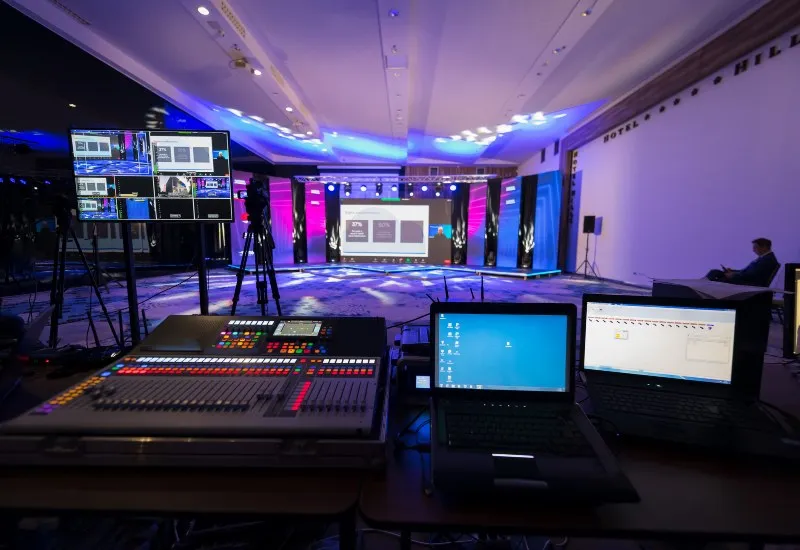
The risk of oversimplification in this sector often centers on “Compatibility.” Many organizers assume that renting a sound system from Vendor A and a lighting rig from Vendor B will be a seamless integration. However, in the 2026 digital ecosystem, the software handshake between different hardware layers is the primary failure point. A high-tier plan requires a “Technical Rider Audit” that cross-references power requirements, signal protocols (e.g., Dante vs. AVB), and physical weight-bearing limits of the rented trussing.
Contextual Background: The Move Toward Specialized Engineering
The systemic evolution of festival rentals has mirrored the rise of “Experiential Marketing.” In the 1970s and 80s, festivals relied on generic local rental houses that supplied everything from wedding chairs to basic PA systems. This was the era of “Generalist Hardware.”
The 2000s saw the emergence of “Specialized Tier-1 Houses”—firms that focused exclusively on touring-grade audio or industrial-scale power distribution. This specialization allowed for higher quality but created “Logistical Silos.” An organizer had to manage twenty different contracts, each with its own delivery window and insurance requirement.
By 2026, the industry has transitioned into “Integrated Solutions.” Large-scale rental houses now offer “Full-Stack Infrastructure.” You no longer rent a generator; you rent a “Power Management Solution” that includes solar-hybrid arrays, smart-load shedding, and a dedicated team of engineers to monitor the grid 24/7. The focus has shifted from the item to the outcome.
Conceptual Frameworks for Asset Management
1. The “Modular Redundancy” Framework
This framework dictates that no single rented item should be a “Lynchpin.” If you rent one massive 500kVA generator, you have a single point of failure. The framework suggests renting three 200kVA generators in a “Parallel-Sync” configuration. If one fails, the other two can sustain the critical “Show Power” until the third is repaired.
2. The “Weight-to-Wait” Ratio
This mental model measures the time it takes to move equipment from the “Drop Zone” to the “Install Point.” Heavy items (like concrete ballast blocks or subwoofers) should be the first on-site and the last to leave. This avoids the “Gridlock” that occurs when small service vehicles are blocked by massive cranes or telehandlers.
3. The “Service-Level” Tiering Model
Not all equipment requires the same level of support. A rented fence requires zero maintenance during the show. A rented LED wall requires a technician on-call 24/7. This framework tiers the budget based on the “Consequence of Downtime,” ensuring that the most critical assets have the highest “On-Site Support” hours.
Key Categories of Festival Hardware
The selection of vendors and the structure of festival equipment rental plans must be segmented by operational necessity.
| Category | Primary Equipment | Primary Trade-off | Success Metric |
| Power & HVAC | Generators, Solar Arrays, AC Units. | Noise vs. Efficiency. | 0% Downtime. |
| Audio-Visual | Line Arrays, LED Screens, Consoles. | Fidelity vs. Power Draw. | Clear Coverage (110dB+). |
| Infrastructure | Tents, Stages, Scaffolding, Flooring. | Build Speed vs. Static Load. | Wind-Speed Certification. |
| Sanitation | Vac-Flush Toilets, Showers, Tanks. | User Comfort vs. Pumping Freq. | Odor Control & Bio-safety. |
| Security | Perimeter Fencing, CCTV, K-Rails. | Visibility vs. Intrusiveness. | Zero Unauthorized Access. |
| Logistics | Forklifts, Golf Carts, Telehandlers. | Turn Radius vs. Lift Capacity. | Rapid Load-out. |
Detailed Real-World Scenarios
Scenario A: The “Green-Field” Mud-Out
A 10,000-person electronic festival in a rural meadow.
-
The Decision: Instead of standard plastic flooring, the plan prioritized “Heavy-Duty Trackway” for the main arterial roads.
-
The Outcome: When an unpredicted rainstorm hit on Day 1, the rented food trucks and emergency vehicles could still move.
-
The Failure Mode: Skipping the “Sub-Pump” rentals. While the roads were clear, the “Backstage” area flooded, ruining the rented stage-dimmers.
Scenario B: The “High-Frequency” RF Environment
A metropolitan festival surrounded by glass skyscrapers.
-
The Decision: Renting a “Spectrum Manager” and high-end digital wireless systems that can “Frequency Hop.”
-
The Outcome: Zero interference from the surrounding office buildings’ Wi-Fi and cellular traffic.
-
The Logic: In a city center, the “Rent” includes the technician’s ability to navigate local FCC regulations.
Planning, Cost, and Resource Dynamics
The financial management of a festival rental plan is highly sensitive to the “Seasonal Curve.”
Estimated Cost Variance by Equipment Category (2026)
| Item Type | Daily Rental Rate | Weekly Rate (Standard) | Hidden Costs |
| Line Array (Small) | $1,500 | $4,500 | Rigging & Motor Certs. |
| Generator (250kVA) | $800 | $2,400 | Fuel & “Environmental” Fee. |
| Vacuum Toilet (Pod) | $400 | $1,200 | Freshwater Haulage. |
| LED Panel (Per sqm) | $250 | $750 | Processor & Data Cable. |
| Heavy Trackway (m) | $50 | $150 | Install Labor & Freight. |
The “Long-Tail” of Rental Costs: Many organizers ignore the “Freight” and “Labor” components, which can often exceed 40% of the actual rental price. A “Cheap” rental from a vendor 500 miles away is often more expensive than a “Premium” rental from a vendor 50 miles away once the diesel surcharges are calculated.
Tools, Strategies, and Support Systems
-
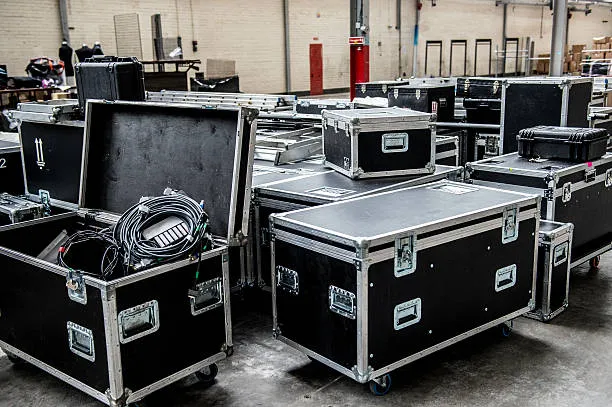
Digital Inventory Trackers: Using QR codes on every flight case to ensure that at “Load-out,” not a single rented cable is left behind.
-
Telemetry-Enabled Generators: Real-time monitoring of fuel levels and “Load Balance” to prevent a circuit breaker from tripping during the headliner.
-
Third-Party Structural Engineers: Hiring an independent engineer to sign off on rented stages, rather than relying on the vendor’s internal team.
-
“Wet-Hire” Agreements: Always opting for the rental of critical gear with an operator included. If the forklift breaks, it is the operator’s job to fix it, not yours.
-
Weather-Compensated Sound Tuning: Utilizing rented processing units that automatically adjust the “Delay Times” based on humidity and temperature.
-
Acoustic Barriers: Renting specialized “Noise-Mitigation” curtains to stay within municipal noise-ordinance limits.
Risk Landscape and Failure Modes
-
The “Short-Shipment” Error: A rental house forgets to pack the specific “C-Clamp” or “Speakon Cable” required to connect the system. This is a common “Show-Stopper” that requires a “Redundancy Box” on-site.
-
The “Static Load” Miscalculation: Renting a lighting rig that is too heavy for the rented stage trussing. This is a fatal failure mode that must be caught during the CAD-review phase.
-
Bio-Hazard Failure: Over-capacity sanitation rentals leading to tank overflows. This requires a “High-Frequency Pumping” contract that triggers when sensors hit 80% capacity.
Governance and Long-Term Adaptation
Stability in a festival environment is maintained through “Review Loops.”
-
Daily Morning “Comms” Meeting: The Power Lead, Audio Lead, and Site Manager review the “Health” of all rented assets.
-
The “Damage Log”: Documenting every scratch and dent on rented gear during load-in to prevent “Post-Event Damage Fees.”
-
Climate Adaptation: Adjusting the rental mix each year. If 2025 was hotter than expected, 2026 requires a 20% increase in “Mist-Fan” and “Shade-Structure” rentals.
Measurement and Evaluation
-
Leading Indicator: “Build Schedule Compliance.” If the stage is late, the entire rental ecosystem is in jeopardy.
-
Lagging Indicator: “Total Loss/Damage Claims” as a percentage of the rental budget.
-
Qualitative Signal: “Vendor Responsiveness”—how long did it take the generator tech to arrive when the “Red Light” started blinking?
Common Misconceptions and Oversimplifications
-
“All stages are the same.” False. The difference between a “Staging” brand and a local “Deck” can be the difference between a safe show and a structural collapse in a 30mph wind.
-
“The vendor will have extra cables.” Never. If you didn’t order it, it’s not on the truck.
-
“Fuel is included.” Almost never. You are responsible for every gallon consumed by the generators and forklifts.
-
“Rental insurance covers everything.” Most policies have high deductibles for “Theft from an Unsecured Site.”
-
“Clean-up is the vendor’s job.” Most rental contracts require equipment to be returned “Dry and Clean.” Returning muddy cables will result in “Cleaning Fees” that can double the rental cost.
Conclusion
The construction of festival equipment rental plans is an exercise in “Strategic Pessimism.” One must assume that the weather will fail, the power will surge, and the shipping will be late. By building a plan that prioritizes “Integrated Redundancy” and “Labor Synchronization,” an organizer transforms a collection of rented machines into a coherent, resilient experience. In the temporary world of festivals, the only thing that isn’t temporary is the impact of a well-executed logistics plan.